How Often Should Your Office Really Be Cleaned? A Practical Guide for Peterborough Businesses
Office cleaning frequency isn't one-size-fits-all. Here's a practical breakdown for businesses across Peterborough.
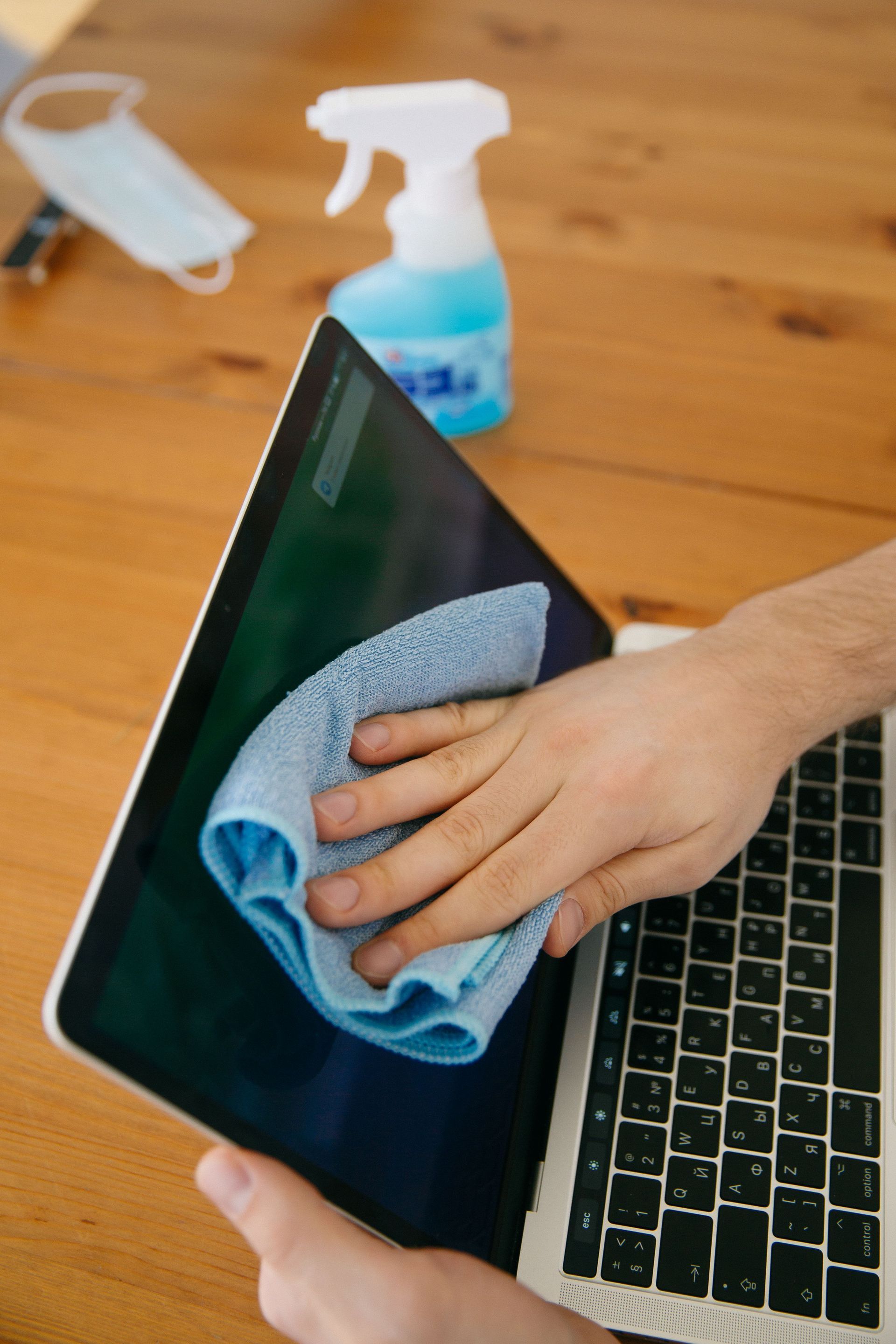
Walk into most offices on a Monday morning and you can tell exactly how the previous week ended. Bins are fuller than they should be, someone's coffee ring has dried onto the meeting room table, and the kitchen sink has that one mug nobody wants to claim. None of it is a disaster. But it adds up — and "how often should we actually be cleaning this place?" is a question a lot of business owners ask themselves only after a client comments on it, or half the team is off with the same cold.
There's no single legal number that answers this, which is part of why it's confusing. So let's clear up what the rules actually say, and then get into what a sensible cleaning schedule looks like in practice.
What UK law actually requires
Under the Health and Safety at Work etc. Act 1974, employers have a general duty to keep the workplace safe and suitable for the people using it — and cleanliness is part of that. The Management of Health and Safety at Work Regulations 1999 add another layer: employers are expected to carry out a risk assessment and act on it, rather than follow a fixed checklist.
In other words, the HSE doesn't hand out a table saying "vacuum twice a week, wipe desks daily." It says cleaning has to be regular, thorough, and appropriate to the risks of your specific workplace. A commercial kitchen and a five-desk accountancy office are not the same risk profile, so they're not going to need the same cleaning plan. That flexibility is sensible, but it also means most businesses are left to work out the details themselves — which is exactly where things tend to slip.
The honest answer: it depends on how the space is actually used
Office size is a red herring. A large, half-empty office with two people in it three days a week needs far less than a smaller one buzzing with staff, visitors and a steady stream of deliveries. What actually drives your cleaning needs is usage — how many people are in the building, how many of them are client-facing, whether you've got a shared kitchen, and how much foot traffic comes through reception.
A few honest questions to ask yourself:
- How many people are actually in the building on a typical day, including hybrid workers?
- Do clients or visitors ever see this space, or is it purely internal?
- Is there a shared kitchen, bathroom, or breakout area?
- Has anyone mentioned the place feeling "a bit tired" lately — even as a joke?
If you answered yes to more than one of those, your current schedule is probably due a rethink.
A realistic daily, weekly and monthly breakdown
This isn't a one-size-fits-all list, but it's a solid starting point for a typical office in Peterborough.
Daily
Anything that gets touched constantly needs daily attention: washrooms, kitchen surfaces, door handles, light switches, lift buttons, and reception areas. Bins should be emptied daily too — a half-full bin by Wednesday afternoon is a bad sign, not a badge of efficiency.
Weekly
Desks (particularly in hot-desking or hybrid setups), internal glass and partitions, meeting rooms, and general floor care beyond the daily once-over. This is also a sensible point to rotate deeper cleaning across different zones so nothing gets permanently skipped.
Monthly
High-level dusting, air vents, skirting boards, upholstery, and the spots behind furniture that never get touched otherwise. Nobody notices these until they've been neglected for three months — at which point everybody notices.
Signs your current cleaning schedule isn't keeping up
A few tells that your cleaning frequency hasn't kept pace with how the office is actually being used:
- Sickness seems to spread through the team faster than it should
- The kitchen bin situation has become a running joke (or a genuine source of tension)
- You find yourself doing a "tidy up" before client visits that shouldn't be necessary
- Carpets and upholstery look noticeably duller than when they were new, despite regular vacuuming
None of these mean your cleaners are doing a bad job. More often it means the plan hasn't been adjusted since the team grew, hybrid working changed the usage pattern, or the business simply moved into a busier phase.
Why the products matter as much as
the schedule
Frequency is only half the story. What you're cleaning with matters too, especially in a shared office where several people might have sensitivities to strong chemical residue. Eco-friendly, non-toxic products do the job just as thoroughly as harsher alternatives, without leaving that overpowering "just been cleaned" smell that some people genuinely find unpleasant — and without the environmental cost of heavier chemicals going down the drain every week.
Getting the balance right
There's no perfect universal formula, and anyone who tells you otherwise is probably trying to sell you either far more or far less than you need. The realistic approach is to look honestly at how your space gets used, start with the daily/weekly/monthly structure above, and adjust after a month or two based on what you're actually seeing.
If you'd rather have that conversation with someone who does this for a living, SafiKleen provides contract cleaning for offices, retail and commercial spaces across Peterborough, using eco-friendly products throughout. We're always happy to walk through what a sensible schedule would look like for your space specifically — no pressure, just a proper look at what you actually need.
Ready to work with SafiKleen Solutions Limited?
Let's connect! We’re here to help.
Send us a message and we’ll be in touch.
Or give us a call today at 01733 602 904
Agency Contact Form
More Marketing Tips, Tricks & Tools